6 min read
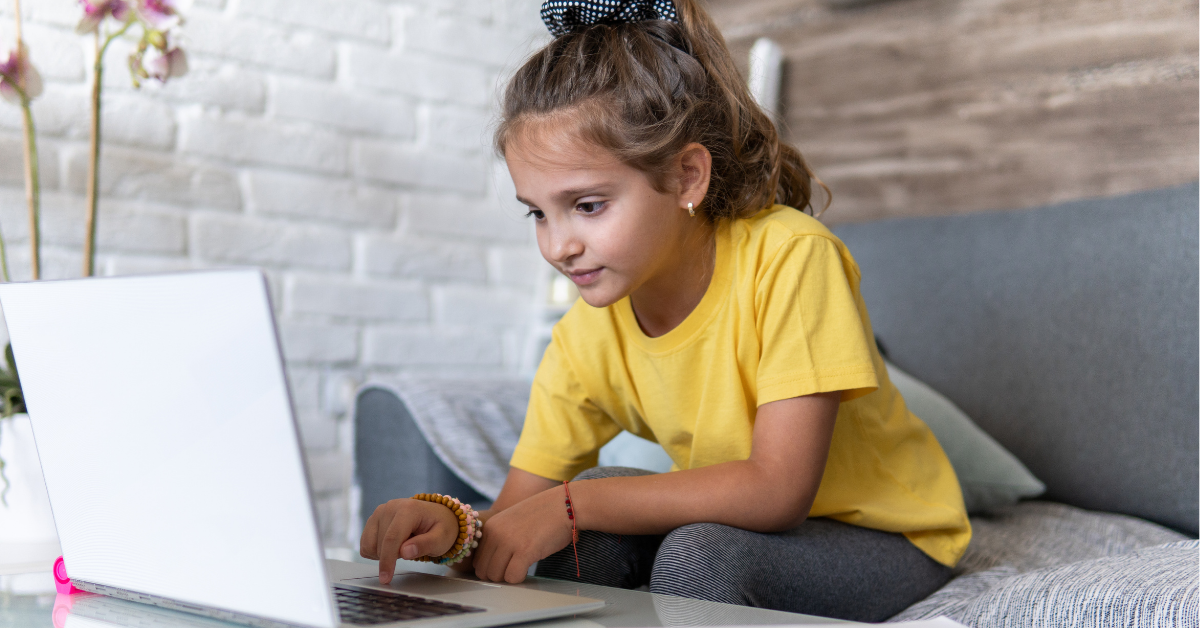
A student logs in, keeps her camera off, says nothing in the chat, and logs out as quietly as she entered. Multiply that by a classroom of 25, and you begin to see the hidden challenge of online learning: connection.
Building connections is critical in online environments where students often face isolation, disengagement, and limited peer interaction. That’s why we recently developed and presented a session exploring practical strategies for building connections in virtual classrooms to foster belonging, resilience, and academic success.
Using research-backed approaches, we set out to give participants actionable ideas for building community, and leveraging technology tools, such as mood check-ins, gratitude walls, and collaborative projects, to promote student connection. These kinds of practices can transform online classrooms from transactional spaces into supportive learning communities.
We had such positive feedback that we decided to share our framework here to equip others with a foundation to build their own connections. Because, in today’s digital learning environments, connection isn’t just “nice to have” — it’s essential.
So, let’s explore how teachers can build connections deliberately, consistently, and with impact. To get started, it is important to understand the key role these connections play for our students.
Why Connection Matters More Than Ever
Online learners often experience increased isolation, engage inconsistently, and participate superficially. One study observes, “The so-called ‘Connected Generation’ teeters on a digital high-wire — hyper-linked but frighteningly alone in a world when emoticons replace eye contact, and connection is measured in megabits per second rather than meaningful ties.”
While online education offers flexibility and access, it can also leave students feeling like they’re on an island, disconnected from their classmates and instructors. Face-to-face encounters naturally spark interaction. Without intentional design, though, virtual classrooms risk becoming transactional spaces where students complete tasks but never truly feel part of a learning community.
When connection is missing, learning becomes about compliance — checking boxes rather than building understanding. But when connection is embedded into the design of the experience, everything shifts. Students begin to feel seen, heard, and valued. Engagement becomes more authentic and consistent. Most importantly, learning transforms from a requirement into a purpose-driven experience.
Building and reinforcing skills that elevate the whole child not only uplifts students in the moment, but strong evidence suggests emotional intelligence and interpersonal skills are better predictors of academic and career success than traditional measures like IQ.
A Framework for Meaningful Connection
One of the most effective ways to intentionally build connections is by aligning your strategies to research-backed frameworks for teaching students to manage emotions, build relationships, and make responsible decisions. We chose five areas that help students succeed both academically and personally:
-
Self-Awareness: understanding one’s emotions, values, and strengths
-
Self-Management: regulating emotions and behaviors to achieve goals
-
Social Awareness: empathizing with others and appreciating diverse perspectives
-
Relationship Skills: building and maintaining healthy, supportive connections
-
Responsible Decision-Making: making ethical, constructive choices
Together, these life skills provide a structured foundation upon which educators can help students develop and hone their emotional intelligence, resilience, and interpersonal abilities, all key factors supporting engagement, well-being, and long-term success in any learning environment, including online spaces.
Polls show parents are strongly in favor of schools teaching students skills such as how to set goals, approach challenges with optimism, believe in themselves and their abilities, and control their emotions. Hundreds of studies show these approaches work.
By focusing on the competencies they identify, educators can feel confident they’re fostering academic growth and human connection. In digital spaces, this does not require a complete overhaul. It merely requires thoughtful integration.

High-Impact Moves Make a Difference
Simple, consistent practices can have a powerful impact. A plethora of low-preparation, high-yield ideas and resources are available to educators online and are worth exploring and incorporating into daily plans. Let’s review a few of the most popular and effective tools.
-
Mood check-ins ensure students have a voice and acknowledge their emotional state.
-
Student goal setting, whether academic or personal, builds ownership and self-awareness.
-
Perspective-taking prompts encourage students to understand others' emotions, motivations, and viewpoints, fostering empathy and discussion while reducing conflict.
-
Structured collaboration encourages classroom connections and peer interaction by creating safe, meaningful opportunities for students to deepen empathy and share diverse perspectives and accountability.
-
Shared digital norms help to create a sense of community, buy-in, and belonging among students.
These strategies help shift the classroom dynamic from passive consumption to active participation. The more students feel they have skin in the game, the more likely they are to engage. As they engage, sparks fly and ignite ideas and debate.

Make It Actionable Right Now
Connection doesn’t have to be complicated. In fact, all the strategies we outlined are quick, repeatable, and easy to implement. Most of all, they are effective. Here are just a few ways to get started:
-
A weekly “share-out” to build familiarity and trust
-
A 30-second mood meter to start each session
- “My favorite…” prompts to spark conversation
- Monthly virtual show-and-tell to celebrate individuality
These are small moments, but they add up and create a culture where students feel comfortable showing up as themselves. When educators embed connection into the structure of their courses, they create environments where students don’t just log in — they fit in. They belong. And when students feel like they belong, they engage more deeply, persist longer, and achieve more.
Educators as Connections Designers
Connection in online learning does not happen by accident. It is premeditated and purposeful. In virtual classrooms, educators play a critical role not only as instructors, but as architects of the learning experience. Every choice, from how a course is structured to how feedback is delivered, sends a message about whether students belong.
When educators adopt a connection-first mindset, they begin to design classroom experiences that anticipate student needs. They ask reflective questions to help themselves create proactive connections:
-
Where might students feel invisible?
-
What points in the curriculum promote interaction rather than isolation?
-
How can I make students feel present in the classroom?
Again, designing for connection does not mean educators must add more time, tasks, or technology. Small, mindful modifications, such as adjusting language to be inclusive and building reflection into existing assignments, can significantly increase trust and engagement. Over time, these practices help students feel supported, confident, and willing to participate, transforming online classrooms into spaces that feel human and meaningful.
Related Posts
March (of Dimes) Madness to Benefit Local Children
Lincoln Learning Solutions today announced a philanthropic effort on behalf of the Beaver County...
How Does Online Credit Recovery Work?
According to an American Enterprise Institute survey, credit recovery options are available in...
Art and Mindfulness: Stress Relief for Kids
Since the Covid-19 pandemic, children’s lives have changed dramatically. Classes and sporting...